Understanding the Challenges of Wind Turbine Blade Transportation
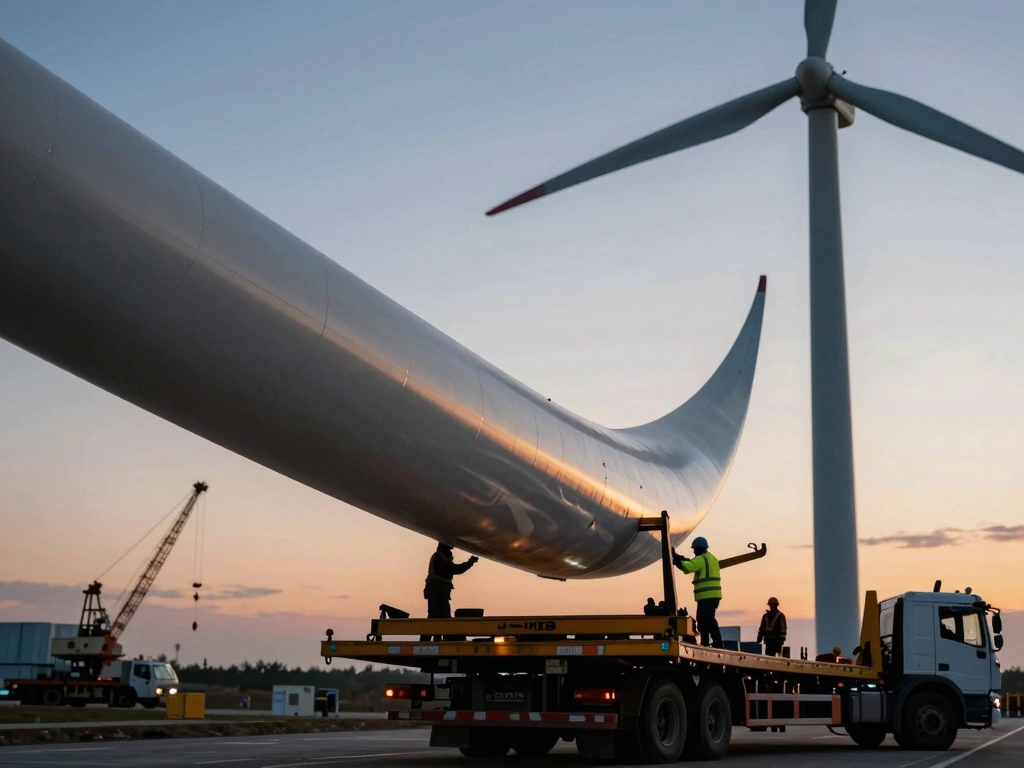
Transporting wind turbine blades presents a unique set of challenges that can significantly impact the efficiency of logistics operations. Given the increasing global emphasis on renewable energy, optimizing the transportation of these massive components is critical.
Geographical Constraints and Route Planning
Wind turbine blades can reach lengths of over 80 meters (262 feet), making them one of the largest manufactured products transported on public roads. This size poses significant challenges related to geographical constraints. For example, routes must be meticulously planned to avoid low bridges, narrow roads, and other obstacles. In the United States, the transportation of turbine blades often requires special permits and route surveys. For instance, blades transported from manufacturing facilities in the Midwest to wind farms in Texas must be routed carefully to navigate the varied terrain of states like Oklahoma and New Mexico. This involves detailed mapping and sometimes even pre-transport surveys to ensure the chosen routes can accommodate the oversized loads.
Size and Weight Considerations
The sheer size and weight of wind turbine blades necessitate specialized transport equipment. Standard logistics vehicles often cannot handle the load, which leads to the need for custom transport solutions. Companies may employ specialized flatbed trucks and extendable trailers designed to accommodate oversized cargo. For example, the transport of Siemens Gamesa's SG 14-222 DD turbine blades, which measure 108 meters (354 feet) in length, requires not only robust vehicles but also precise loading and unloading techniques. Failure to manage these weight considerations can lead to damages during transport, resulting in increased costs and delays.
Regulatory and Compliance Issues
Regulatory frameworks governing the transportation of oversized loads vary not only by country but also by state and municipality. In the U.S., this often involves compliance with the Federal Highway Administration (FHWA) regulations and state-specific guidelines. The requirement for pilot cars, special permits, and specific travel times (often nighttime to minimize traffic) complicates the logistics further. For instance, in California, the transportation of wind turbine blades often requires coordination with local law enforcement for escorts, particularly in urban areas where the blades could pose a disruption to traffic. This regulatory maze adds layers of complexity to an already challenging logistics operation.
Innovative Technologies in Blade Transportation
To address these challenges, the industry has begun to adopt innovative technologies that enhance the efficiency and reliability of wind turbine blade transportation.
Advanced Tracking and Monitoring Systems
Technological advancements have led to the development of sophisticated tracking and monitoring systems. Companies are increasingly using GPS tracking to monitor the real-time location of transport vehicles carrying turbine blades. This enables logistics managers to make informed decisions regarding delays and route adjustments. For example, utilizing systems like Fleet Complete allows companies to track their shipments in real-time, providing updates on arrival times and potential issues. This technology not only enhances transparency but also improves customer relations as stakeholders can stay informed throughout the transportation process.
Automated Transportation Solutions
Automation in logistics is gaining traction, particularly in the transportation of large components like wind turbine blades. Automated vehicles, such as self-driving trucks equipped with advanced navigation systems, are being explored for their potential to transport blades safely and efficiently. A case study from the research conducted by the National Renewable Energy Laboratory (NREL) indicates that automated systems could reduce transportation costs by as much as 20% while also minimizing human error. However, widespread implementation is still in the early stages, and regulatory hurdles remain.
Material Handling Innovations
Material handling solutions have also evolved to support the unique needs of wind turbine blade transportation. Innovations like specialized cradles or racks designed to secure blades during transport are becoming commonplace. These systems not only protect the blades from damage but also streamline the loading and unloading processes. For instance, the use of modular transport frames allows for the easy coupling and decoupling of blades, reducing the time spent during loading operations. This efficiency gain is crucial, especially in remote areas where time and resources are limited.
Cost Management in Blade Logistics
Managing costs in wind turbine blade logistics is essential for maintaining profitability and competitiveness in the renewable energy sector.
Optimal Shipping Methods and Modes
Choosing the right shipping method is critical in optimizing costs. Combining various transport modes—such as maritime, rail, and road—can yield significant savings. For instance, transporting blades via barge along rivers or coastal routes can reduce road wear and the associated costs of transporting oversized loads on highways. A prominent example is Vestas’ strategy of using inland waterways for transporting turbine components in Europe, which has proven more cost-effective than road transportation alone. By leveraging multimodal logistics, companies can achieve better routing and lower costs.
Cost-Benefit Analysis of Transportation Options
Conducting a thorough cost-benefit analysis of different transportation options can uncover savings and efficiencies. This analysis should consider not only the direct costs of transportation but also the indirect costs, such as potential delays, damage to blades, and regulatory compliance expenses. A case in point is the analysis performed by GE Renewable Energy, which revealed that utilizing specialized transport vehicles could lead to a 15% reduction in overall logistics costs when accounting for the reduction in damage claims and delays.
Negotiating Contracts with Logistics Providers
Negotiating favorable contracts with logistics providers is another critical aspect of cost management. Companies should seek to establish long-term partnerships with providers specializing in oversized cargo to ensure reliability and competitive pricing. For instance, engaging in contract negotiations with companies like XPO Logistics, known for their expertise in heavy haul transport, can yield better rates and service guarantees, ultimately enhancing the efficiency of blade transportation logistics.
Collaboration and Stakeholder Engagement
Effective collaboration and stakeholder engagement are vital to optimizing wind turbine blade transportation logistics.
Partnerships with Local Authorities
Building strong relationships with local authorities can facilitate smoother transportation operations. Early engagement with municipalities can streamline permit approvals and enhance route planning. A notable example is the collaboration between Ørsted and local county officials in Illinois, which resulted in expedited permits for transporting turbine blades. By involving local authorities in the planning process, challenges can be mitigated proactively.
Engaging with Transportation Companies
Engaging with specialized transportation companies can provide valuable insights into best practices and innovations in the field. For instance, regular meetings and workshops with logistics providers can foster an exchange of ideas that lead to improved transportation strategies. Companies like Siemens Gamesa often engage their logistics partners in discussions about optimizing routes and reducing costs, ensuring that all parties are aligned toward common goals.
Communication Strategies Among Stakeholders
Effective communication among all stakeholders—manufacturers, logistics providers, local authorities, and end customers—is essential for successful logistics operations. Utilizing project management tools and platforms can facilitate real-time communication and updates on transport status. For example, implementing a shared digital dashboard that displays shipment progress can enhance transparency and coordination among stakeholders, leading to quicker responses to potential issues.
Sustainability Practices in Blade Transportation
As the industry moves towards more sustainable practices, optimizing the logistics of wind turbine blade transportation also involves a keen focus on sustainability.
Reducing Carbon Footprint in Logistics
Reducing the carbon footprint associated with logistics operations is paramount. Companies are increasingly seeking to optimize transport routes and reduce the number of empty miles traveled. This can be achieved through better load planning and the use of energy-efficient vehicles. A practical approach taken by Nordex involves using hybrid trucks for transporting blades, which has resulted in a significant reduction in emissions compared to traditional diesel trucks.
Recycling and Repurposing Blade Materials
As wind turbine blades reach the end of their operational life, the logistics of recycling and repurposing these materials become increasingly relevant. Companies are now exploring innovative recycling methods that can transform old blades into new products, thereby reducing waste. An example is the partnership between Veolia and Siemens Gamesa, which focuses on recycling blade materials to create new composite products, effectively closing the loop in the lifecycle of wind turbine components.
Implementing Eco-Friendly Transportation Practices
Implementing eco-friendly transportation practices is essential for minimizing environmental impact. This includes adopting sustainable packaging materials for protecting blades during transport and choosing logistics providers that prioritize green practices. For instance, companies such as Acciona are committed to using electric vehicles for short-distance transportation, thereby contributing to a more sustainable logistics framework.